
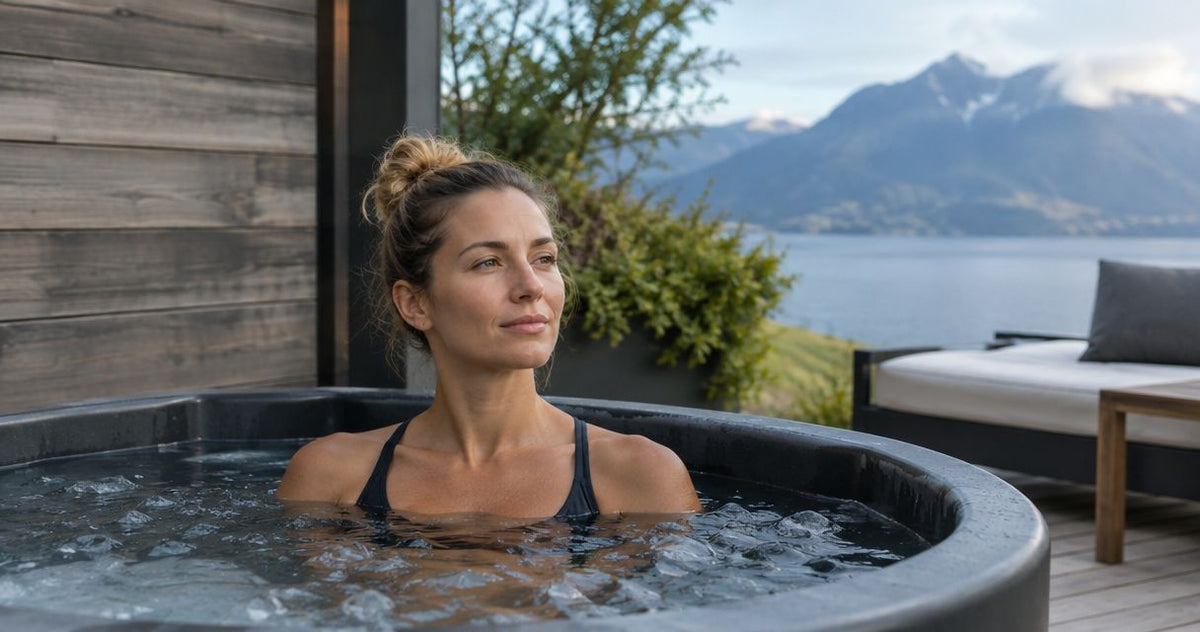
There is no single safe answer to how long should you stay in a cold plunge: water temperature, immersion depth, your health, and your response determine when to stop. A timer does not protect you from cold shock, so leave immediately if you develop uncontrolled breathing, dizziness, chest discomfort, numbness, or difficulty moving.
By Editorial Team
- How long should you stay in a cold plunge? No universal duration guarantees safety.
- Water temperature and immersion depth matter alongside session length.
- Stop for uncontrolled breathing, dizziness, chest discomfort, numbness, or difficulty moving.
- Aeva Vital ice bath capacities describe water volume, not a medically validated exposure time.
For your 2026 home routine, separate the equipment decision from the exposure decision. If you record sessions, logging cold plunge sessions helps preserve the context around a timer reading; it does not establish that repeating the session is safe.
How long should you stay in a cold plunge?
Stay only within an individualized plan that accounts for temperature and health, and stop earlier whenever symptoms appear. Do not adopt another person's session length simply because you use the same tub. Being able to tolerate discomfort is not evidence that continued exposure is safe.
There is also no universal minimum you must complete. Getting out early is the correct decision when your breathing, coordination, or comfort changes in a concerning way.
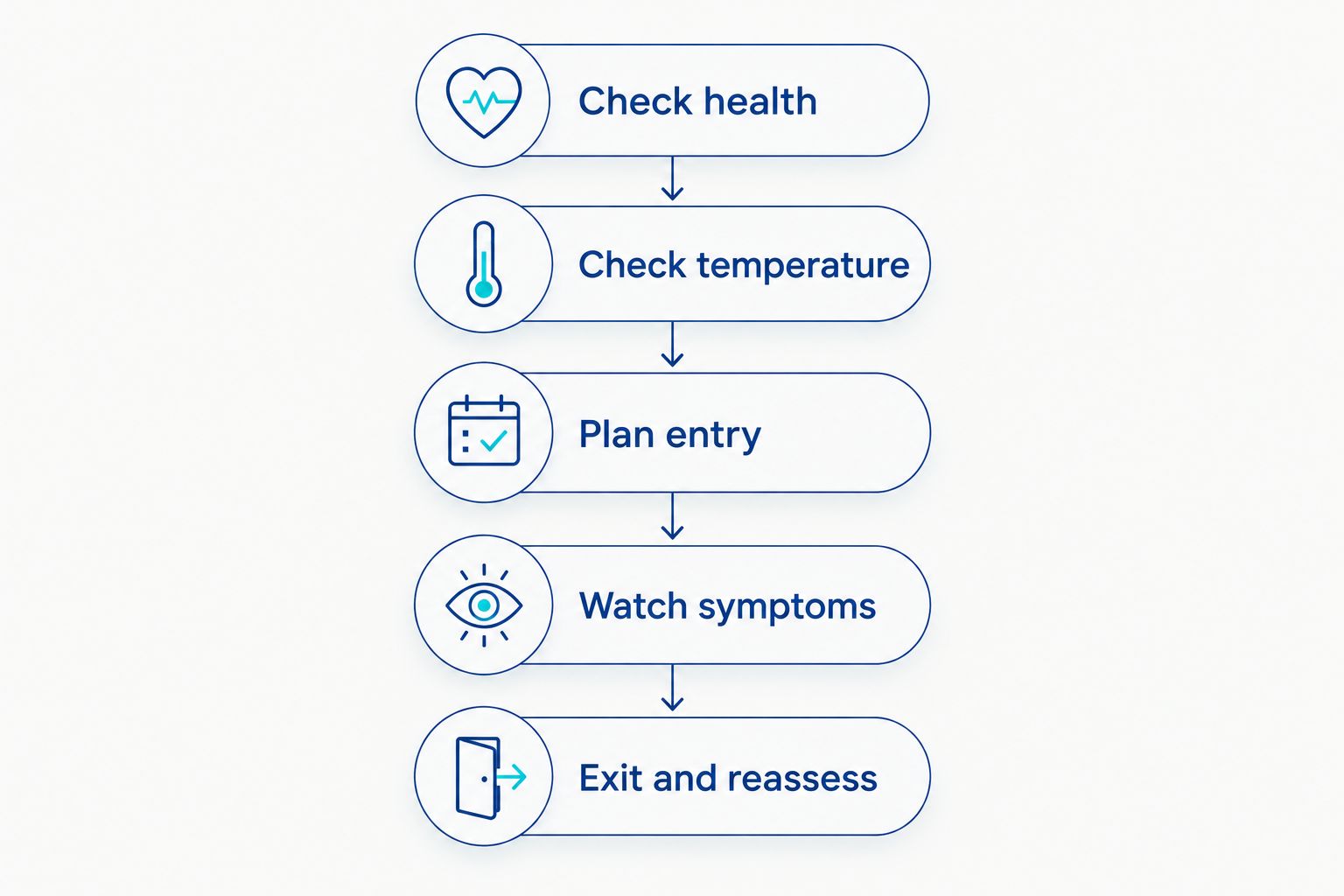
Use this sequence before treating duration as a target:
- Check health. Ask a clinician whether cold-water immersion is appropriate, especially with cardiovascular disease, circulation problems, fainting episodes, or medicines that affect your response to cold.
- Check temperature. Measure the actual water rather than judging it by touch or by the amount of ice added.
- Plan entry. Arrange stable access, keep your head above water, and avoid jumping into cold water.
- Watch symptoms. Keep breathing normally. Exit promptly if breathing becomes uncontrolled or you feel unwell.
- Exit and reassess. Dry off, dress warmly, and do not re-enter while you remain chilled or symptomatic.
This sequence establishes decision points, not a medical prescription. A clinician familiar with your health is the appropriate source for individualized exposure advice.
Why this matters: duration is not the whole exposure
Cold-water immersion places an immediate demand on breathing and circulation. The American Heart Association's public guidance on cold plunges describes the sudden rise in breathing, heart rate, and blood pressure associated with cold shock. That response can occur before prolonged cooling becomes the main concern.
This distinction matters in 2026 because a short session is not automatically a harmless session. Starting a stopwatch does not prevent an involuntary gasp, and feeling mentally prepared does not remove cardiovascular risk.
Hypothermia is a separate concern. CDC guidance defines it as a body temperature below 95°F, or 35°C; that is an emergency threshold, not a water-temperature recommendation or a target to approach.
You cannot calculate your core temperature from elapsed minutes in a home tub. Use symptoms as reasons to stop, not as milestones to endure.
Why cold plunge duration varies
The same timer setting does not produce the same exposure in every session. These factors explain why a universal duration is the wrong starting point:
- Water temperature: Colder water increases the temperature difference between your body and the water. Measure it before entering.
- Immersion depth: Immersing more of your body changes the exposure. Keeping your face out also keeps your airway clear.
- Water movement: Moving water disrupts the relatively warmer layer near your skin. A circulating bath is not equivalent to still water at the same measured temperature.
- Health and medication: Heart conditions, circulation disorders, and medicines can affect your response. Review these with a clinician rather than adjusting a timer yourself.
- Previous exposure: Familiarity can change how cold feels, but comfort does not establish immunity to cold shock or excessive cooling.
- Your condition that day: Illness, alcohol, fatigue, or feeling chilled before entry are reasons to reconsider the session, not extend it to meet a goal.
Do not change several exposure factors at once and assume a familiar duration still applies. A colder bath with deeper immersion is a different session even when the stopwatch reads the same.
How do you set up a session without chasing minutes?
Build your 2026 routine around observable checks. Before entry, know the temperature, make the exit accessible, and have another person present who can help if you become unwell. Keep a towel and dry clothing within reach outside the wet area.
The sequence is straightforward: Check health, Check temperature, Plan entry, Watch symptoms, Exit and reassess. Each step answers a different safety question; none becomes unnecessary because you have used the tub before.
Enter in a controlled way and keep your head above water. Do not combine immersion with deliberate hyperventilation or breath-holding: losing consciousness in water creates a drowning hazard.
Keep the timer visible without needing to reach for a phone. If you begin to feel unwell, exit rather than staying in to record a final reading. A session log is useful only after you are safely out.
What should you record afterward?
Record the measured water temperature, immersion depth, elapsed time, and how you felt during and after the session. Note whether the water was circulating and whether you had used a sauna beforehand.
Those details make a log interpretable. A duration without temperature or symptoms leaves out information needed to understand what happened.
Do not treat a symptom-free entry as permission to increase exposure next time. Use the log to identify concerns and discuss them with a qualified clinician, not to create a competition with your previous session.
Which symptoms mean you should get out immediately?
Exit immediately for uncontrolled breathing, dizziness, chest discomfort, numbness, or difficulty moving. You do not need to wait for several symptoms or for the timer to finish.
Persistent or worsening shivering also warrants stopping and warming up. Confusion, slurred speech, unusual drowsiness, or loss of coordination are warning signs of potentially serious cold exposure.
If you experience chest pain, severe breathing difficulty, fainting, confusion, or symptoms that persist after exit, seek urgent medical help. Do not drive yourself while dizzy or impaired.
A person who becomes unresponsive needs emergency assistance, not another round of warming and plunging. Call emergency services and follow the dispatcher's instructions.
What should you do after getting out?
Move to a sheltered place, remove wet clothing, dry off, and put on dry layers. Reassess how you feel before walking away or starting another activity.
Do not use an immediate return to cold water as a test of whether you have recovered. Continued symptoms mean the session is over; significant symptoms require medical assessment.
Can you stay longer once you are used to cold plunges?
Experience does not establish a universally safe longer duration. Becoming accustomed to the sensation of cold is different from proving that your heart, circulation, and body temperature remain unaffected.
Avoid increasing duration simply because the initial discomfort has become less noticeable. If your goal requires a specific protocol, obtain guidance that accounts for your health and the actual conditions of your bath.
A useful 2026 rule is to reject any schedule that treats symptoms as something to push through. Consistency should mean repeating the checks, not forcing the same exposure regardless of conditions.
Does a larger cold plunge tub mean you can stay longer?
Tub capacity does not establish a safe immersion time. Gallons describe volume, not the physiological effect of a session.
Aeva Vital cold plunge tubs are best suited to home shoppers comparing portable and outdoor ice bath formats. That is an equipment distinction, not evidence of a medical benefit or a validated exposure schedule.
The supplied product listings identify these options:
| Listed option | Best for | Stated feature | Limitation |
|---|---|---|---|
| Portable Inflatable Ice Bath Tub | Shoppers seeking a portable, inflatable format | 76.6-gallon capacity | Capacity does not establish cooling performance or safe session length |
| 79 Gallon Cold Plunge Tub | Shoppers considering an outdoor format with a lid | 79-gallon capacity; thermo lid included | Outdoor positioning and a lid do not establish temperature control or an exposure protocol |
The 76.6-gallon and 79-gallon figures describe the listed capacities. Neither number tells you the water temperature when you enter, how much of your body will be submerged, or how you will respond.
What the listed specifications do and do not prove
The portable listing identifies an inflatable construction format. Its practical advantage is that it addresses shoppers seeking portable equipment; its limitation is that the listing information supplied here does not establish a complete temperature-control system.
The outdoor listing identifies a thermo lid as included. A lid is an equipment feature, not proof that water remains at a particular temperature or is ready for immersion without measurement.
This is the relevant distinction when comparing Aeva Vital ice baths: choose the format for your space, then assess exposure separately. Neither product title supplies an individualized session duration.
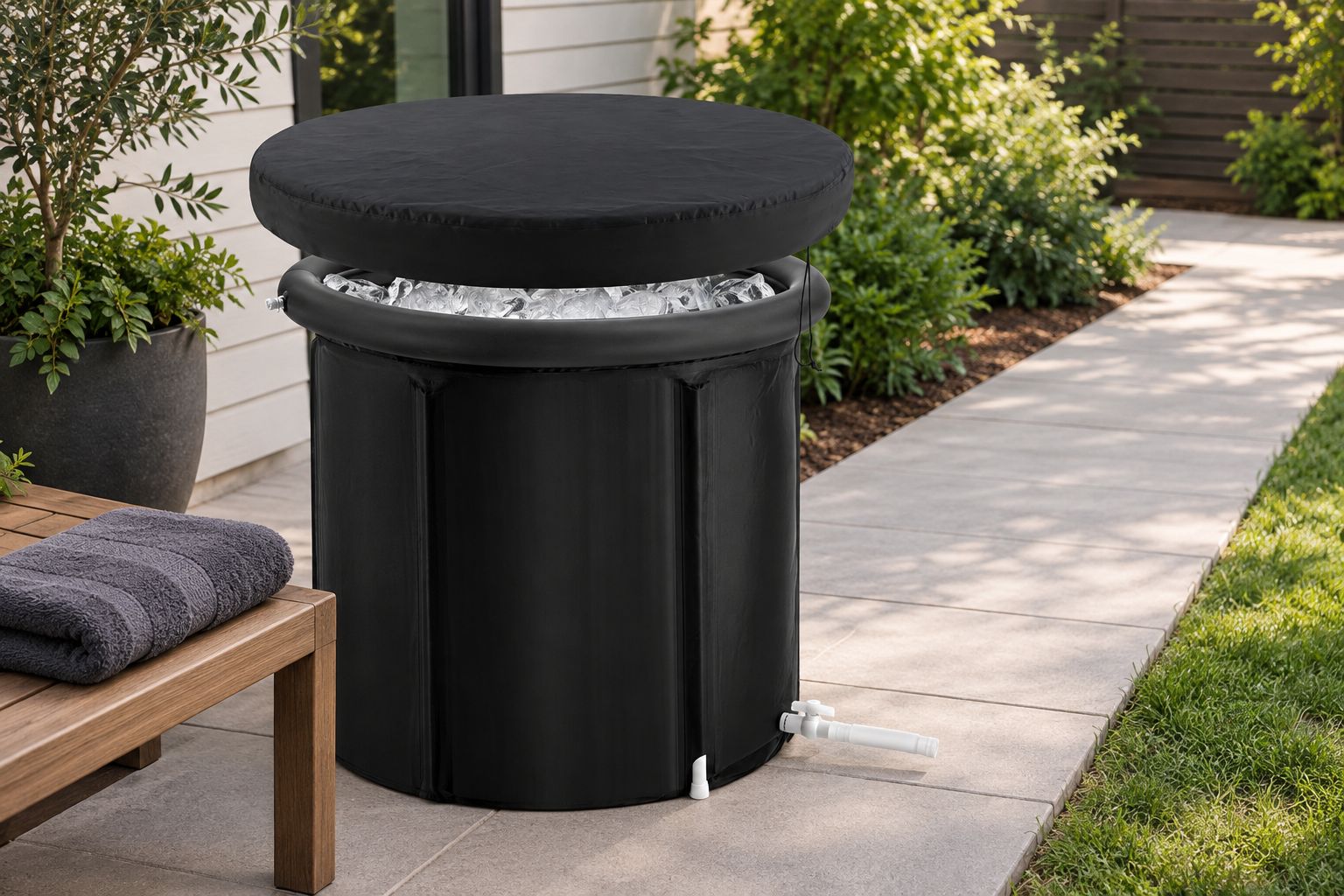
Before purchasing, check the current installation, filling, drainage, cleaning, and equipment requirements on the product listing. Match those requirements to your intended location rather than choosing on gallon capacity alone.


Should you use the same duration after a sauna?
A familiar standalone plunge duration is not automatically appropriate after heat exposure. Moving between heat and cold adds another change in cardiovascular demand; the sequence deserves its own assessment.
Do not enter cold water if you feel lightheaded, unsteady, or unwell after a sauna. Adding cold exposure is not a substitute for stopping, resting, and addressing those symptoms.
For your 2026 home setup, plan the transition route as carefully as the equipment location. Wet floors, obstacles, and difficult entry points make a quick exit harder when you most need one.
FAQ
How long should you stay in a cold plunge as a beginner?
There is no universally safe beginner duration. Get individualized advice, measure the water temperature, use a controlled entry, and stop immediately for concerning symptoms.
Is a short cold plunge always safe?
No, a short cold plunge is not automatically safe. Cold shock can affect breathing and circulation at entry, before prolonged cooling becomes the main concern.
Can I stay in a cold plunge until I stop feeling cold?
No, reduced cold sensation is not a safe endpoint. Numbness or difficulty moving is a reason to exit, not evidence that you have adapted successfully.
Should I put my head under during a cold plunge?
Keep your head above water during a home cold plunge. Do not combine immersion with breath-holding or deliberate hyperventilation.
Does a 79-gallon tub let me plunge longer?
A 79-gallon capacity does not establish a safe session duration. Water temperature, immersion depth, your health, and your response remain separate considerations.
What body temperature counts as hypothermia?
A body temperature below 95°F, or 35°C, is hypothermia according to CDC guidance. This is an emergency threshold, not a target or a way to calculate a home plunge duration.
Who should ask a doctor before cold plunging?
People with cardiovascular disease, circulation problems, fainting episodes, or relevant medications should ask a clinician before cold-water immersion. Pregnancy or other significant health concerns also require individualized advice.
What should I do if I feel dizzy after a cold plunge?
Stop the session, get help moving to a safe place, dry off, and warm up. Seek urgent medical attention for fainting, chest pain, severe breathing difficulty, confusion, or persistent symptoms.
Related guides
- Infrared sauna to cold plunge workflow
- Cold plunge tubs ranked by tank capacity
- Cold plunge electrical setup and dedicated GFCI outlets
One last thing
For 2026, make your exit rule more specific than your timer setting. Decide in advance that uncontrolled breathing, dizziness, chest discomfort, numbness, or reduced coordination ends the session immediately. That rule remains useful whether your bath holds 76.6 gallons or 79 gallons.