
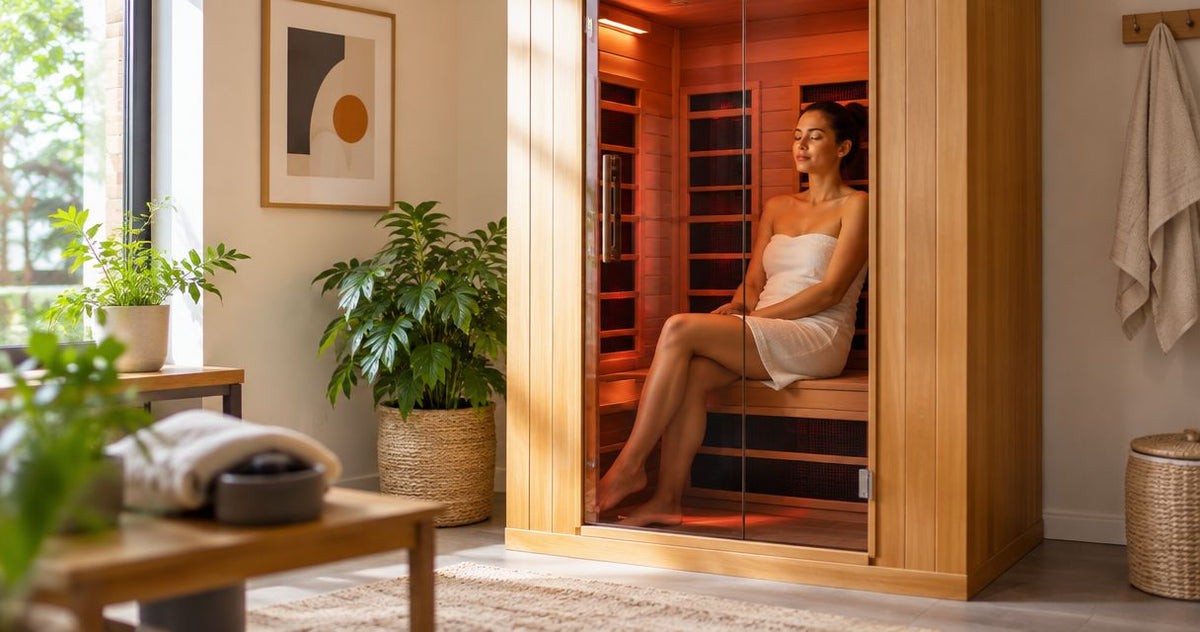
Some healthy adults can use an infrared sauna every day, but daily use is not automatically safe or necessary. Heat exposure still creates a risk of dehydration, overheating, and lightheadedness; your health, medications, session settings, and recovery determine whether another session is appropriate. For your 2026 routine, follow the sauna’s operating instructions and get medical advice before frequent use if you have a health condition, take medication that affects heat tolerance, or are pregnant.
By Editorial Team
- Can you use an infrared sauna every day? Some healthy adults can, but symptoms and recovery take priority over frequency.
- Aeva Vital infrared saunas are home wellness equipment, not evidence that a daily sauna routine suits your health.
- Skip heat exposure when you are ill, dehydrated, drinking alcohol, or still feeling unwell after a previous session.
- Follow your model’s instructions; seating capacity and heating-panel counts do not establish a medically safe session length.
Can you use an infrared sauna every day?
Daily infrared sauna use is an individual tolerance question, not a universal recommendation. Being able to complete a session does not establish that repeating it tomorrow is appropriate. You also need to consider how you feel afterward and whether anything has changed since your last session.
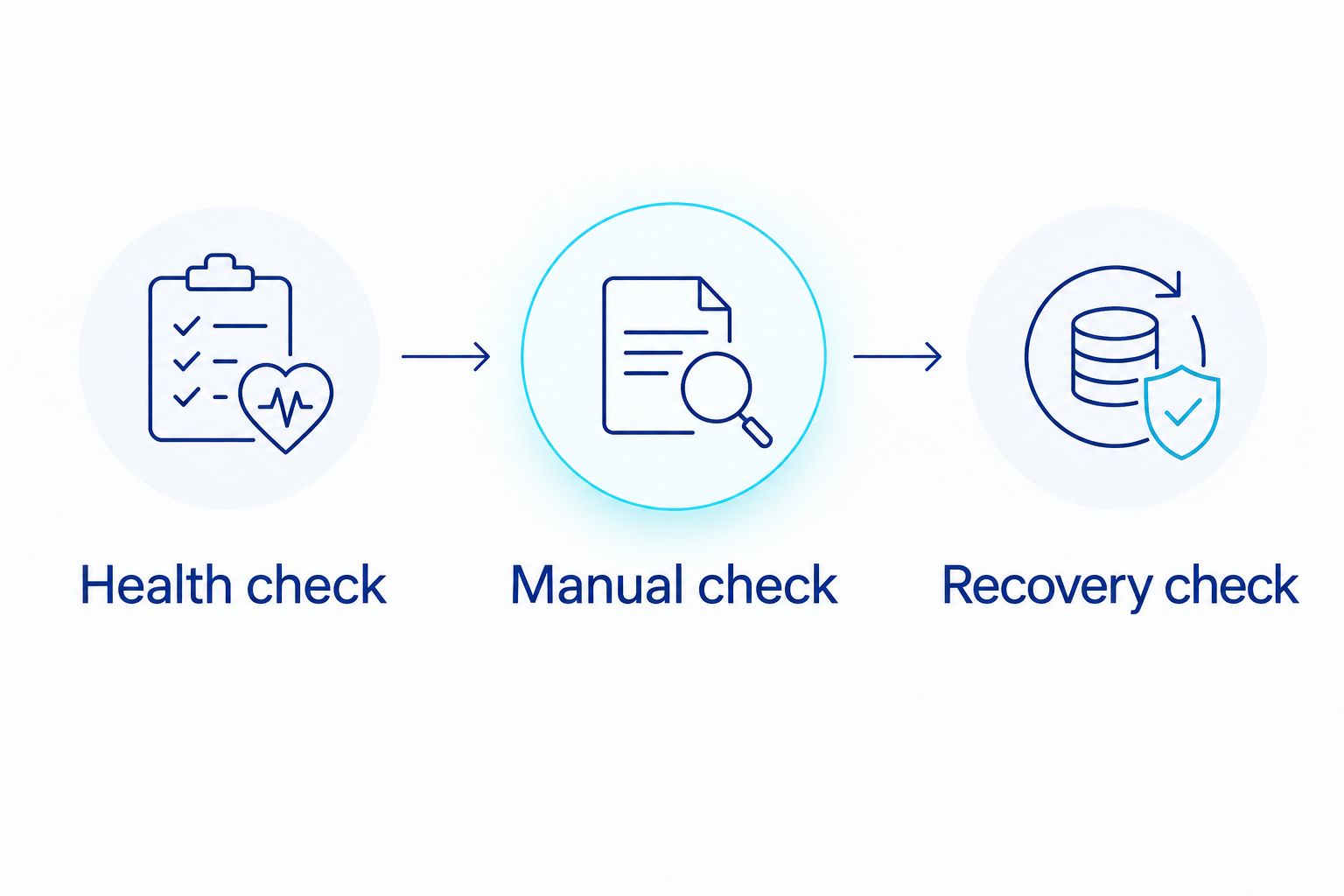
Use this decision sequence before entering:
- Check your health. Skip the session if you have a fever, feel unwell, or have symptoms of dehydration.
- Check your circumstances. Consider recent exercise, hot weather, alcohol, medication changes, and any previous reaction to heat.
- Check the instructions. Use the temperature controls and timer within the manufacturer’s directions rather than copying someone else’s routine.
- Check your recovery. Do not repeat a session while you still feel lightheaded, unusually weak, nauseated, or otherwise unwell.
- Keep an easy exit. Remain awake, keep the doorway clear, and leave immediately if symptoms develop.
If you are comparing heating systems, the guide to infrared saunas ranked by heating technology explains the equipment side of the decision. Heating technology does not replace a personal assessment of heat tolerance.
Why this matters
An infrared sauna uses radiant energy to warm your body. A lower cabin-air temperature than a traditional sauna does not remove the physiological strain of heat exposure. You can still sweat, lose fluid, and become overheated.
For a 2026 home sauna plan, separate convenience from suitability. Having a sauna available every evening makes frequent use easier; it does not make frequent use medically necessary. A comfortable routine includes permission to skip a session.
A calendar streak is also a poor safety measure. An uneventful session yesterday does not account for today’s illness, fluid losses, medication changes, or exercise load.
Daily use versus a less frequent routine
There is no reason to treat daily use as the default starting point. Choose a routine that allows you to notice your response without feeling obligated to finish a preset schedule.
| Routine | Best for | Practical advantage | Limitation |
|---|---|---|---|
| Daily use | Experienced adults who tolerate heat and have no relevant medical restriction | Fits a regular home routine | Requires reassessing health and recovery every day; frequency alone does not establish benefit |
| Less frequent use | People establishing their tolerance or fitting sauna use around other activities | Leaves time to assess how you feel between sessions | Still requires attention to symptoms, hydration, and operating instructions |
| Pausing use | Anyone who feels ill, dehydrated, or unwell after heat exposure | Avoids adding further heat strain | Persistent or serious symptoms need medical assessment, not simply a longer break |
Best for beginners: a cautious, less frequent routine guided by the manual and your response. Do not copy an experienced user’s settings or assume that discomfort is a normal stage you must push through.
Daily use has a practical advantage only if it fits comfortably into your life. If it leaves you feeling depleted, interferes with necessary recovery, or encourages you to ignore symptoms, reduce the frequency and discuss recurring symptoms with a clinician.
Why infrared sauna tolerance varies
The same sauna setting does not produce the same experience for every person—or for the same person every day. These factors affect the decision:
- Health conditions: Cardiovascular disease, a history of fainting, and conditions that affect sweating or temperature regulation require individual medical guidance.
- Medications: Some medicines affect sweating, fluid balance, blood pressure, or alertness. Ask a pharmacist or prescriber about heat exposure; do not stop prescribed medication to use a sauna.
- Hydration: Sweating during exercise or hot weather adds to fluid loss before the sauna session even begins.
- Session settings: Temperature and exposure time work together. A lower setting does not justify staying indefinitely.
- Recent activity: A hard workout or prolonged time outdoors changes the context for another heat exposure.
- Previous symptoms: Dizziness, nausea, headache, or unusual weakness during or after a session are reasons to stop and reassess.
Treat these as checks, not obstacles to overcome. Improving your ability to tolerate discomfort is not the purpose of a home sauna routine.
Who should get medical advice before frequent use?
Ask your clinician before using a sauna if you are pregnant, have a significant heart or circulatory condition, experience fainting, or have a condition that affects your ability to regulate body temperature. Seek individualized advice if you have been told to restrict fluids or have kidney disease.
Medication review matters even when you otherwise feel healthy. Diuretics, medicines that lower blood pressure, and medicines that interfere with sweating are examples to discuss with your prescriber or pharmacist. The relevant question is how your own medication list interacts with heat—not whether a product is described as gentle.
Do not apply an adult sauna routine to children. Their suitability for heat exposure requires separate advice, and the equipment’s instructions can include age-related restrictions.
A product label cannot provide medical clearance. Terms describing the heater, wood, or electromagnetic emissions do not answer whether your health permits daily exposure.
How should you prepare for each session?
Prepare the environment before switching on the heater. Keep the exit clear, place water where you can reach it outside the cabin, and make sure you understand how to stop the session. Do not use the sauna as a place to sleep.
Health check
Start only when you feel well. Avoid sauna use after drinking alcohol or taking substances that impair judgment or alertness. If you are uncertain about a sedating prescription, ask your pharmacist before using heat.
Manual check
Read the instructions for the exact model, including its operating limits, ventilation requirements, and electrical setup. A timer’s maximum setting is a control limit, not a recommended exposure for every user.
Recovery check
Drink water as appropriate for your needs, and follow any clinician-directed fluid restrictions. Do not force a fixed amount of water or assume that an electrolyte drink makes an otherwise unsuitable session safe.
After leaving, move to a comfortable environment and allow yourself to cool down. Stand carefully if you feel lightheaded, and avoid driving or other tasks requiring concentration until you feel normal.
What symptoms mean you should stop?
Leave the sauna immediately if you develop dizziness, nausea, a headache, unusual weakness, or a racing heartbeat that feels concerning. Do not wait for the timer to finish. Move somewhere cooler and get help if you need it.
Confusion, collapse, chest pain, or severe breathing difficulty require urgent medical attention. Call emergency services for a suspected heat emergency rather than trying another recovery treatment at home.
Persistent symptoms after cooling down also need medical advice. Repeatedly feeling unwell after sauna use is not evidence that the session is working, and sweating more is not a reason to stay longer.
Does using an infrared sauna every day improve results?
Daily use does not guarantee better results than a less frequent routine. Frequency alone does not establish improvements in sleep, cardiovascular health, pain, or recovery. Those are separate outcomes that require evidence specific to the population and treatment being discussed.
Do not interpret sweating as proof of detoxification or fat loss. A change in body weight immediately after sweating can reflect fluid loss, not a lasting change in body fat.
Keep expectations practical: a sauna is a source of heat that some people find relaxing. It does not replace medical treatment, physical activity, adequate sleep, or appropriate nutrition.
Can you use an infrared sauna after exercise every day?
Daily post-exercise sauna use is not automatically appropriate. Exercise can already leave you hot and depleted of fluid, so assess your condition before adding heat.
If you remain overheated, dizzy, unusually fatigued, or dehydrated after training, skip the sauna. Do not use a sauna to force additional weight loss before a weigh-in or to compensate for a missed workout.
Can you combine daily sauna use with a cold plunge?
A daily sauna routine does not establish that a cold plunge is safe for you. Cold immersion introduces a separate stress, and switching temperatures is not a treatment for overheating or feeling faint.
If you have cardiovascular concerns or a history of fainting, discuss both activities with your clinician. Never enter cold water to push through symptoms from a sauna session.
What Aeva Vital sauna specifications do—and do not—tell you
Aeva Vital is best for shoppers evaluating home infrared saunas as equipment, not as a prescribed daily treatment. Its supplied product information includes seating capacity, wood type, and heating-system details. Those facts help you compare cabins; they do not establish a safe frequency for your body.
For a 2026 equipment comparison, distinguish the specification from the conclusion you want to draw:
| Model | Best for | Stated construction or heating detail | What the detail does not prove |
|---|---|---|---|
| Low EMF 2-Person Hemlock Far-Infrared Indoor Sauna with Double Glass Doors | Shoppers comparing a 2-person cabin with a stated panel count | Seven far-infrared heating panels; hemlock and double glass doors identified in the title | Seven panels do not establish a safe session length or daily-use recommendation |
| Premium Low EMF 3-Person Hemlock Infrared Sauna – Heated Glass Door Design | Shoppers comparing a larger stated seating category | 3-person designation; Eastern hemlock construction and carbon panels described in the listing | Seating capacity and wood type do not establish a health benefit or personal heat tolerance |
The advantage of these specifications is concrete comparison: you can distinguish a 2-person designation from a 3-person designation and identify a stated seven-panel arrangement. The limitation is equally important: neither listing detail supplies clinical guidance for daily use.


Before choosing an Aeva Vital infrared sauna, confirm the exact dimensions, electrical requirements, operating instructions, and installation clearances. A seating designation is not a substitute for measurements, and the phrase Low EMF does not describe the risks of overheating or dehydration.
FAQ
Can you use an infrared sauna every day in 2026?
Some healthy adults can use an infrared sauna every day, but daily use is not a universal safety recommendation. Follow the model’s instructions, assess recovery, and seek medical advice when health conditions or medications affect heat tolerance.
How long should I stay in an infrared sauna each day?
There is no single session length that is appropriate for everyone. Follow your model’s instructions and any medical guidance, and leave immediately if symptoms develop rather than waiting for a target time.
Should I take rest days from my infrared sauna?
Take a break whenever you feel ill, dehydrated, unusually tired, or unwell after a previous session. You do not need a daily streak to justify owning or enjoying a sauna.
Is an infrared sauna safe if I take blood pressure medication?
Ask your prescriber or pharmacist before using an infrared sauna while taking blood pressure medication. Heat and some medicines can contribute to lightheadedness or low blood pressure; do not change your prescription yourself.
Can I use an infrared sauna while pregnant?
Get advice from your pregnancy-care clinician before using an infrared sauna. Do not assume a lower air temperature removes the concern about overheating.
Does sweating every day in a sauna burn body fat?
Sweating does not establish body-fat loss. An immediate change in weight after a sauna session can reflect fluid loss, so do not use dehydration as a weight-management strategy.
Does an Aeva Vital sauna’s panel count tell me how often to use it?
An Aeva Vital sauna’s panel count describes equipment construction, not a medically appropriate schedule. Your health, symptoms, operating instructions, and recovery determine whether another session is appropriate.
Related guides
- Infrared saunas for small spaces
- Can you use a cold plunge tub every day?
- Infrared sauna to cold plunge workflow
One last thing
For your 2026 routine, record how you feel after leaving—not just the temperature and time on the controls. Recurring headaches, dizziness, or unusual fatigue are reasons to stop and seek advice, not reasons to increase your tolerance by pushing harder. Choose equipment around your space and operating needs; choose frequency around your health.