
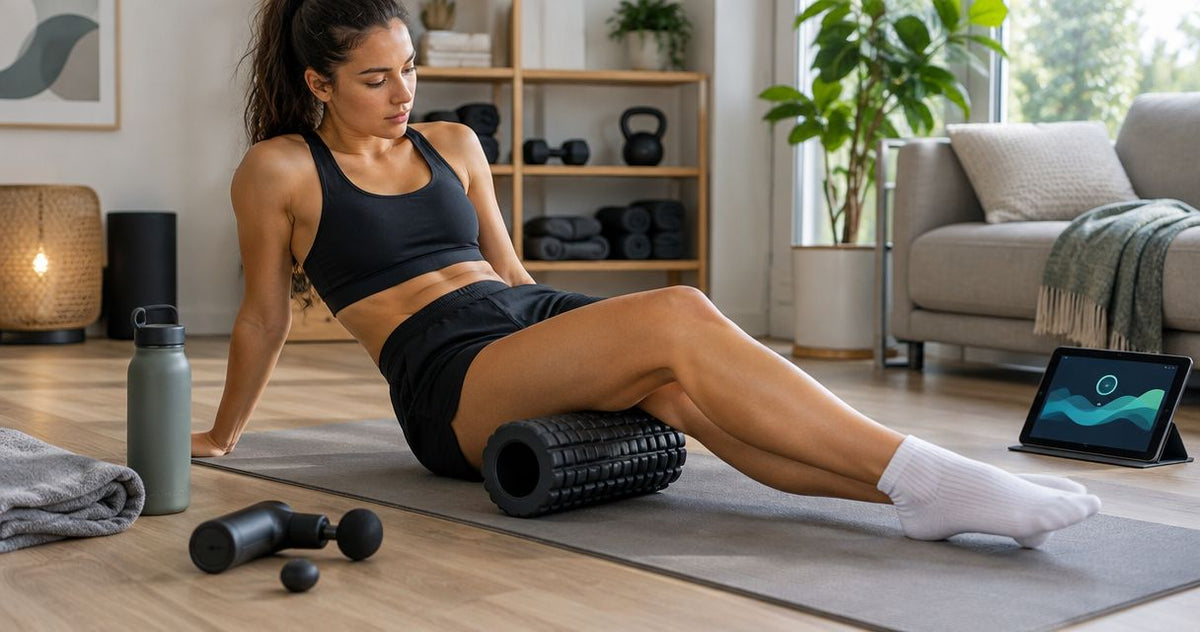
Best overall foundation: a comfortable mattress. Best portable option: a foam roller. Best minimal-equipment option: a massage ball. The best at home recovery tools for athletes in 2026 match a specific need—sleep comfort, self-massage, cold immersion, or heat—rather than promise the same recovery benefit.
By Editorial Team
- Prioritize a comfortable mattress when your recovery problem starts with disrupted sleep.
- Choose a foam roller for broad self-massage or a massage ball for localized pressure.
- Aeva Vital offers mattresses, ice baths, infrared saunas, and freestanding bathtubs for home recovery spaces.
- Cold plunge tubs and infrared saunas require safety checks, suitable space, and ongoing care.
Why this matters
Recovery equipment serves different purposes. A mattress supports your sleep environment; a roller applies pressure to soft tissue; a cold plunge exposes your body to cold water. Those functions are not interchangeable, and none replaces appropriate training, nutrition, or medical care.
Aeva Vital is best suited to athletes comparing bedding, cold immersion, and heat-based home recovery equipment. If heat is your priority, start with the home infrared sauna guide and check installation requirements before choosing a cabin.
For your 2026 setup, identify the problem first. Buying equipment without a clear use case adds storage, cleaning, and maintenance without establishing whether you need it.
What makes the best at home recovery tools for athletes?
Use these criteria before comparing equipment:
- Purpose: Name the task—sleep comfort, broad self-massage, localized pressure, cold immersion, dry heat, or warm soaking.
- Control: Check whether you can adjust pressure, position, temperature, or exposure without difficulty.
- Compatibility: Match equipment to your body, available space, doorway access, flooring, and utilities.
- Maintenance: Include cleaning, drying, water care, and replacement components in the decision.
- Safety: Review manufacturer instructions and medical restrictions before applying pressure or using temperature extremes.
- Evidence boundaries: Separate a construction feature from a demonstrated health outcome. A specification describes equipment; it does not establish faster recovery.
Recovery tools at a glance
The 2026 ranking below separates equipment by function. It is a selection guide, not a claim that every athlete needs every item.
| Rank and option | Best for | Standout function | Key limitation |
|---|---|---|---|
| Comfortable mattress | Nightly sleep comfort | Supports your body throughout sleep | Comfort depends on the individual and the bed setup |
| Foam roller | Broad self-massage | Applies pressure across larger muscle areas | Floor positioning and pressure control take practice |
| Massage ball | Localized self-massage | Concentrates pressure over a smaller area | Concentrated pressure is easier to overapply |
| Cold plunge tub | Planned cold-water immersion | Holds water for body immersion | Requires water care, safe access, and temperature management |
| Infrared sauna | Dedicated dry-heat sessions | Uses infrared heaters inside an enclosure | Needs suitable electrical service and heat precautions |
| Freestanding soaking tub | Warm-water relaxation | Provides seated or reclined immersion | Requires plumbing, drainage, and bathroom space |
1. Comfortable mattress: best recovery foundation for nightly sleep
A comfortable mattress supports your body while you sleep. A hybrid mattress combines a spring support system with comfort layers; the label describes construction, not a guaranteed firmness or recovery result.
Address uncomfortable sleep before adding specialized recovery equipment. The American Academy of Sleep Medicine and Sleep Research Society's adult sleep consensus recommends at least 7 hours per night for healthy adults aged 18–60. Athletes' individual sleep needs vary, and buying a mattress does not guarantee sufficient sleep.
Mattress pros:
- Serves a routine you already perform every night.
- Offers different support and comfort constructions.
- Does not require a separate recovery session.
Mattress cons:
- Firmness descriptions do not establish personal comfort.
- Thickness alone does not prove support or durability.
- An unsuitable frame or foundation complicates selection.
Best for: Athletes whose existing mattress makes it difficult to find a comfortable sleeping position.
Before choosing a mattress in 2026, check dimensions, foundation requirements, and the actual comfort-layer description. Aeva Vital offers hybrid mattresses, but the hybrid designation alone does not establish suitability for your body or sleeping position.
Verdict: Buy when your current sleeping surface is uncomfortable; hold when your sleep environment already works.
2. Foam roller: best portable tool for broad self-massage
A foam roller lets you apply pressure across larger muscle areas using your body position. You control the load by shifting weight and supporting yourself with your hands or feet.
Choose a surface you can use without bracing against pain. A firmer roller is not automatically a better roller, and pronounced texture does not prove a better result.
Foam roller pros:
- Requires no plumbing or electrical connection.
- Lets you adjust pressure through positioning.
- Works across broad areas without changing attachments.
Foam roller cons:
- Floor-based use demands balance and mobility.
- Pressure is less localized than with a massage ball.
- Aggressive use irritates sensitive areas.
Best for: Athletes who want a simple, movable tool for controlled self-massage.
Roll over muscle rather than directly over joints, sharp bony areas, or an acute injury. Stop if pressure causes sharp pain, tingling, or numbness; those sensations are not a useful intensity target.
A roller is an accessory, not a diagnosis or treatment plan. If the same area repeatedly hurts during training, assess the cause rather than continually pressing harder.
Verdict: Buy for broad self-massage if you can position yourself comfortably.
3. Massage ball: best minimal-equipment tool for localized pressure
A massage ball concentrates pressure into a smaller contact area than a roller. You can use a wall to adjust pressure without placing your full body weight on the ball.
Start with control, not hardness. The ability to ease off immediately matters more than an aggressive surface or a recovery-related product name.
Massage ball pros:
- Fits into a small storage space.
- Targets a smaller area than a roller.
- Allows wall-supported pressure adjustment.
Massage ball cons:
- Concentrated pressure is easy to overapply.
- Covering large muscle areas takes more repositioning.
- Placement near nerves or bony structures demands care.
Best for: Athletes who want localized self-massage without a large equipment footprint.
Use the ball on muscle tissue and keep pressure tolerable. Avoid pressing directly into the spine, joints, or injured tissue, and stop if you develop altered sensation.
Choose a massage ball instead of a roller when precision is the priority. Choose a roller when you want broader contact. Neither tool needs to hurt to justify using it.
Verdict: Buy for localized pressure; skip aggressive use on painful or injured areas.
4. Cold plunge tub: best dedicated tool for cold-water immersion
A cold plunge tub provides a vessel for cold-water immersion. The tub, water temperature, cooling method, filtration, and access arrangement are separate decisions; the phrase cold plunge does not establish that a chiller is included.
Cold-water exposure adds physiological stress. Discuss suitability with a clinician if you have cardiovascular disease, circulation problems, impaired sensation, or another condition affected by cold exposure. Do not treat cold shock or uncontrolled breathing as a goal.
Cold plunge tub pros:
- Provides a designated immersion space.
- Separates the routine from your everyday shower.
- Comes in portable and fixed construction formats.
Cold plunge tub cons:
- Requires water hygiene and a drainage plan.
- Cooling hardware is not implied by the category name.
- Safe entry and exit need deliberate planning.
Best for: Athletes who specifically want cold-water immersion and can maintain the setup safely.
Aeva Vital's supplied portable ice bath specification
The Portable Inflatable Ice Bath Tub | Cold Water Therapy for Athletes | 76.6 Gallon is listed as a portable inflatable ice bath. Its stated capacity is 76.6 gallons—approximately 290 liters using the US liquid-gallon conversion.
That capacity describes volume, not usable body clearance, a fill recommendation, or total filled weight. The supplied specification does not establish dimensions, chiller compatibility, filtration, temperature control, or setup time.
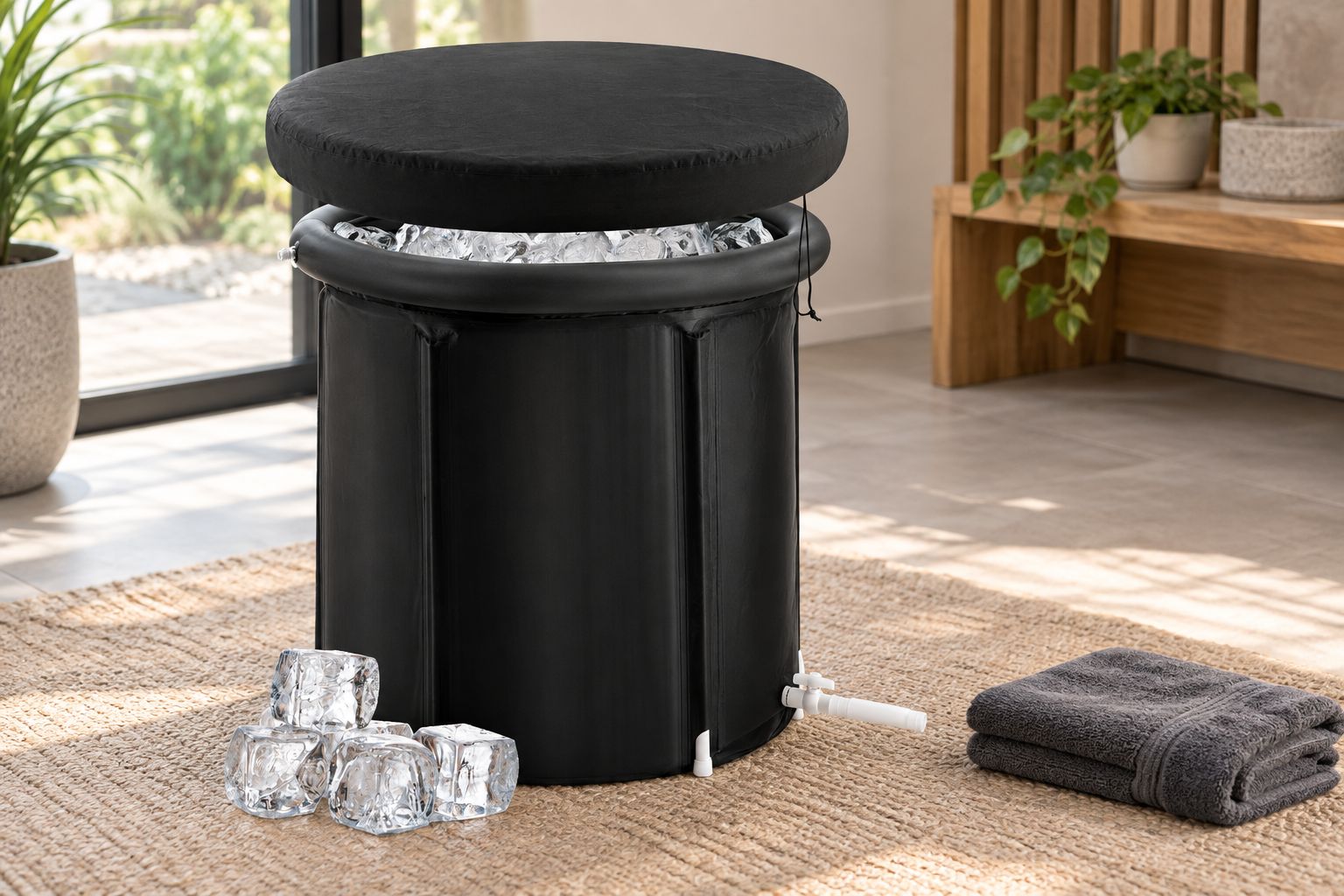
For a 2026 purchase, verify the current instructions and equipment included before planning your installation. Verdict: Hold until access, cooling, drainage, and water care are resolved.
5. Infrared sauna: best dedicated tool for dry-heat sessions
An infrared sauna uses infrared heaters to transfer radiant heat to your body and surrounding surfaces. It differs from a traditional sauna's heating arrangement, but that distinction alone does not prove a better athletic recovery outcome.
Aeva Vital offers infrared saunas. Select a model by verified installation requirements and usable space, not by unsupported detoxification, fat-loss, or injury-recovery promises.
Infrared sauna pros:
- Provides a dedicated dry-heat environment.
- Avoids managing a tub of immersion water.
- Creates a separate space for a planned heat routine.
Infrared sauna cons:
- Requires appropriate electrical service and clearances.
- Heat exposure adds dehydration and overheating risks.
- Cabin size does not establish seating comfort.
Best for: Athletes who want dry heat and have a suitable location for a permanent enclosure.
Check voltage, circuit requirements, heater information, control instructions, and installation clearances. A stated occupant count does not tell you whether you can sit comfortably in your preferred position.
Do not use heat to push through illness, dehydration, dizziness, or a medical restriction. Leave the enclosure if you feel unwell, and follow the manufacturer's instructions rather than copying another athlete's routine.
Verdict: Hold until electrical compatibility, physical fit, and personal heat suitability are confirmed.
6. Freestanding soaking tub: best dual-purpose tool for warm-water relaxation
A freestanding soaking tub provides warm-water immersion while also serving as a bathroom fixture. It is a different purchase from a purpose-built cold plunge: installation, drainage, access, and intended use govern the choice.
Warm water provides a comfortable relaxation setting, but a tub's depth or material does not prove faster muscle repair. Treat it as a bathing and comfort decision.
Soaking tub pros:
- Combines ordinary bathing with warm-water relaxation.
- Offers seated or reclined immersion, depending on design.
- Does not require a separate recovery room.
Soaking tub cons:
- Requires plumbing and a suitable drain location.
- Entry and exit become harder on slippery surfaces.
- Exterior dimensions do not establish usable interior space.
Best for: Athletes already planning a bathroom upgrade who prefer warm soaking to dry heat.
Check interior shape, overflow position, faucet reach, and the space needed around the tub. Include the delivery route and floor suitability in the installation discussion.
For your 2026 bathroom plan, solve access before choosing a deeper vessel. Verdict: Buy as a planned bathroom fixture; skip a remodel solely for an unproven recovery claim.
How this ranking works
The ranking prioritizes an existing nightly routine first, movable pressure tools next, and installation-dependent equipment afterward. Each option earns a distinct use-case slot rather than competing for an unsupported universal recovery score.
The criteria are purpose, control, compatibility, maintenance, safety, and evidence boundaries. Product construction informs selection; it does not substitute for clinical evidence or individual comfort.
Which recovery tool should you choose?
Default to fixing an uncomfortable sleep setup, then choose one tool for one remaining need. A foam roller covers broad self-massage; a ball covers localized pressure. Cold plunge tubs, saunas, and soaking tubs belong in a deliberate space and maintenance plan.
Before purchasing, write down when you will use the equipment, where it will live, and who will maintain it. If those answers are unclear, hold the purchase. A recovery room is not useful simply because it contains more equipment.
FAQ
What's the best at home recovery tool for athletes?
A comfortable mattress is the best starting point when your current sleeping surface disrupts sleep. Choose additional equipment by purpose: broad self-massage, localized pressure, cold immersion, dry heat, or warm soaking.
Is a foam roller better than a massage ball?
A foam roller is better for broad contact, while a massage ball is better for localized pressure. Both require controlled pressure and should not be used to push through sharp pain or altered sensation.
Does every athlete need a cold plunge tub?
No, a cold plunge tub is optional equipment for a specific cold-water immersion routine. It requires safe access, temperature management, drainage, and water care.
Does an inflatable ice bath include a chiller?
An inflatable ice bath does not imply an included chiller. Verify the listed equipment and compatibility before planning how you will cool the water.
What does Aeva Vital's 76.6-gallon ice bath capacity tell me?
The stated 76.6-gallon capacity describes volume, not body clearance or a recommended fill level. It does not establish cooling performance, filtration, or the equipment included.
Is an infrared sauna better than a warm bath for recovery?
Neither option is universally better for athletic recovery. An infrared sauna provides dry heat, while a warm bath provides water immersion; select by preference, medical suitability, and installation requirements.
Can recovery equipment replace sleep or injury treatment?
Recovery equipment cannot replace sufficient sleep or appropriate injury assessment. Persistent pain, swelling, weakness, or altered sensation needs clinical attention rather than more intense self-treatment.
Related guides
- Cold plunge tubs for athletic recovery
- Hybrid mattress selection
- Freestanding tub installation planning
One last thing
The specification that decides your purchase is often not the headline feature. Interior clearance, safe access, electrical compatibility, and cleaning requirements determine whether equipment fits your routine. Resolve those practical details before choosing a more elaborate setup.